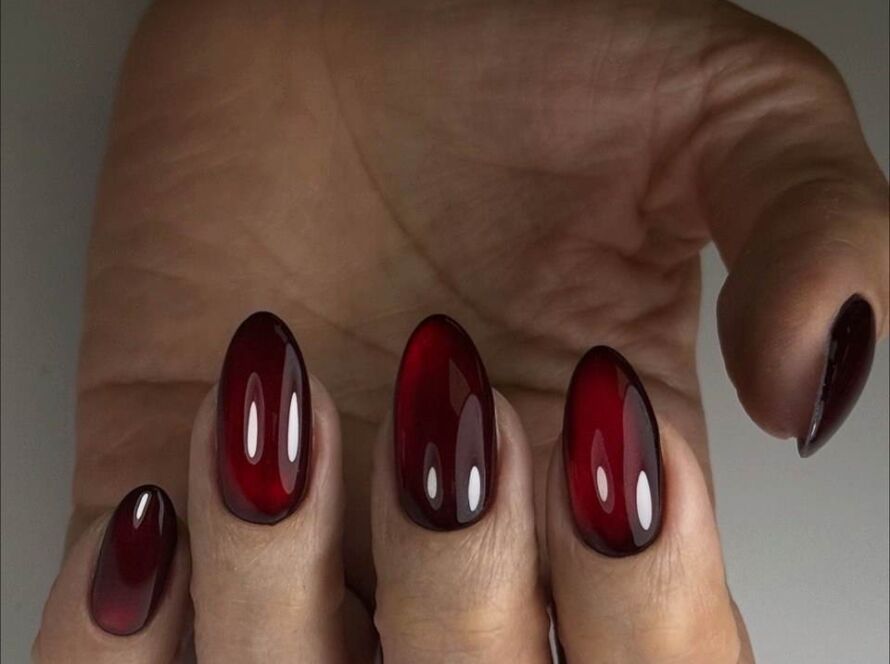
The eternal debate in the nail care world centers on one crucial question: gel polish or regular polish? Whether you’re a manicure enthusiast or someone who simply wants beautiful nails without constant maintenance, understanding the difference between gel and regular nail polish is essential for making the right choice for your lifestyle, budget, and nail health.
Both gel manicure and traditional nail polish have devoted followers, and for good reason. Each option offers distinct advantages and potential drawbacks that make them ideal for different situations and preferences. This comprehensive guide breaks down everything you need to know about gel vs regular polish to help you determine which nail treatment is the perfect match for your needs.
What Is Regular Nail Polish?
Regular nail polish, also known as traditional nail polish or conventional nail lacquer, is the classic manicure option that’s been beautifying nails for decades. This air-dry nail polish consists of a colored lacquer that dries through evaporation when exposed to air.
The typical regular polish manicure involves applying a base coat, two layers of color, and a top coat. The entire drying process takes anywhere from 10 to 30 minutes, depending on the formula and number of coats applied. Traditional manicure polish offers an enormous range of colors, finishes, and effects, from classic creams to shimmers, metallics, and specialty formulas.
The accessibility of regular nail lacquer makes it a popular choice for at-home manicures and quick salon services alike. With minimal equipment required and easy removal, traditional polish remains a staple in the beauty industry.
What Is Gel Polish?
Gel nail polish represents a more modern approach to nail color. This advanced formula contains photoinitiators that react to ultraviolet or LED light, causing the polish to cure and harden almost instantly. Unlike regular polish that air dries, gel manicure polish requires specialized curing lamps to complete the hardening process.
A professional gel polish manicure involves similar steps to traditional polish application, base coat, color coats, and top coat, but each layer must be cured under a UV or LED lamp for 30 to 60 seconds. This UV cured nail polish creates a chemical bond that results in an extremely durable, long-lasting finish.
Gel nail polish technology has evolved significantly since its introduction, with formulas now offering the same vibrant color range as traditional polish while providing superior durability and shine. The long-lasting gel manicure has become the go-to choice for busy individuals who want flawless nails without frequent salon visits.
Longevity: How Long Does Each Last?
Regular Polish Duration
Traditional nail polish longevity typically ranges from 3 to 7 days before chipping, fading, or losing its shine becomes noticeable. With proper application, quality formulas, and careful treatment, some people can extend their regular manicure to 10 days, though this is less common.
The lifespan of regular polish depends heavily on daily activities. Frequent hand washing, typing, household chores, and exposure to water all accelerate wear and tear. Even with a quality top coat, the air-dry polish formula remains more susceptible to damage than its gel counterpart.
Gel Polish Duration
The hallmark advantage of gel polish is its impressive durability. A properly applied gel manicure easily lasts 2 to 3 weeks without chipping, and many people enjoy flawless wear for up to 4 weeks. The long-lasting gel nail polish maintains its glossy shine throughout the entire wear period, looking freshly applied even after several weeks.
How long gel polish lasts depends on factors like natural nail growth rate, daily activities, and proper application technique. However, even under harsh conditions, gel manicures significantly outlast traditional polish. Most people schedule their next appointment due to visible nail growth at the cuticle rather than because of chips or damage.
Application Process and Time Investment
Regular Polish Application
Applying regular nail polish is straightforward and requires minimal equipment. The basic process includes nail preparation, base coat application, two color coats, and a top coat. The simplicity of traditional polish application makes it ideal for home manicures and quick touch-ups.
However, the drying time for air-dry nail polish is a significant consideration. While the polish may feel dry to the touch within 10 to 15 minutes, complete hardening takes much longer. Activities like putting on tight clothing, digging through a purse, or going to bed too soon after application can cause smudges, dents, or sheet marks that ruin an otherwise perfect manicure.
Total time investment for a regular polish manicure, including full drying time, typically ranges from 45 to 60 minutes at home or in a salon.
Gel Polish Application
The gel manicure application process requires more specialized equipment, including a UV or LED curing lamp. Each layer, base coat, color, and top coat, must be cured under the lamp for 30 to 60 seconds. Despite this additional step, the immediate curing means zero drying time once the final layer is complete.
The advantage of instant curing gel polish is significant. You can leave the salon immediately after your service and resume all normal activities without fear of smudging or damage. This makes gel polish particularly appealing for busy individuals who don’t have time to wait for traditional polish to dry completely.
A complete gel polish manicure at a salon typically takes 45 to 60 minutes, similar to regular polish, but without the extended drying period afterward.
Appearance and Finish Quality
Regular Polish Appearance
Traditional nail polish offers beautiful color and decent shine when freshly applied. Modern formulas have improved significantly, with many regular polish brands delivering salon-quality results. The finish ranges from high-gloss to matte, depending on the formula and top coat used.
However, the shine of regular polish begins to diminish after several days of wear. Even without visible chips, the glossy finish dulls, and the manicure starts looking tired and worn. Daily activities cause micro-abrasions that affect the surface quality, requiring frequent reapplication to maintain a fresh appearance.
Gel Polish Appearance
The gel polish finish is notably superior in terms of shine and durability. The cured formula creates a glass-like, mirror shine that remains intact throughout the entire wear period. Gel manicures maintain their freshly-applied appearance for weeks, with no dulling or loss of luster.
The thickness of gel nail polish also provides a slightly more substantial feel compared to regular polish, though modern formulas have become increasingly lightweight. The overall aesthetic of gel polish manicures is consistently more polished and professional-looking, especially after the first week of wear when traditional polish typically shows signs of age.
Removal Process
Removing Regular Polish
The regular polish removal process is quick and straightforward. Simply saturate a cotton pad with nail polish remover acetone, press it against the nail for a few seconds, and wipe away the polish. The entire process takes just a few minutes for all ten nails.
The ease of traditional polish removal allows for frequent color changes and makes touch-ups simple when chips occur. This convenience is a major advantage for those who enjoy changing their nail color regularly or experimenting with different shades and nail art designs.
Removing Gel Polish
Gel polish removal requires significantly more time and effort. The cured formula bonds strongly to the nail, making simple wiping ineffective. The standard gel manicure removal process involves filing the shiny top layer, soaking cotton pads in acetone, wrapping each nail in foil, and waiting 10 to 15 minutes for the gel to break down.
After soaking, the softened gel polish must be gently scraped or pushed off the nail. Improper removal, such as peeling or picking at gel polish, can cause serious damage to the natural nail, removing layers of the nail plate and leaving nails weak and brittle.
Many people choose to have gel polish professionally removed at salons to ensure proper technique and minimize nail damage. This adds to the overall time and maintenance commitment of gel manicures.
Nail Health Considerations
Impact of Regular Polish
Traditional nail polish is generally considered gentler on natural nails. The formula sits on the nail surface without requiring aggressive preparation or harsh removal processes. Nails can breathe more easily between regular polish applications, and damage from application or removal is minimal when done correctly.
However, frequent use of acetone nail polish remover can dry out nails and cuticles, making regular moisturizing essential. Some people experience yellowing or staining from dark polish colors, though using a quality base coat typically prevents this issue.
Taking breaks between regular manicures allows nails to recover and maintain their natural strength and flexibility. The less invasive nature of traditional polish makes it easier to give nails periodic rest periods without sacrificing too much wear time.
Impact of Gel Polish
The gel polish and nail health relationship is more complex. While the polish itself isn’t necessarily harmful, several factors can compromise nail integrity. The removal process, particularly if done incorrectly, poses the biggest risk. Peeling or forcefully removing gel manicures strips away layers of the natural nail, causing weakness, splitting, and damage.
Additionally, the nail preparation required for gel polish application often involves buffing the nail surface to create better adhesion. Excessive buffing thins the nail plate over time, potentially leading to sensitivity and weakness.
The UV or LED lamp exposure during curing has raised concerns about skin damage and aging. While the exposure time is brief, some dermatologists recommend applying sunscreen to hands before gel manicure appointments to minimize potential UV damage.
Continuous gel polish wear without breaks can leave nails dehydrated and brittle. Nail care professionals often recommend taking occasional breaks from gel to allow nails to recover and rehydrate naturally.
Versatility and Flexibility
Regular Polish Versatility
The flexibility of traditional nail polish is unmatched. Colors can be changed weekly or even more frequently without damage to nails. Nail art, designs, and creative techniques are easily achievable and can be modified or removed on a whim.
Regular polish is perfect for special occasions, seasonal color changes, or matching specific outfits. The ability to touch up chips with the same polish bottle extends wear time and makes maintenance simple. For those who bore easily with one color or enjoy expressing creativity through their nails, traditional manicures offer maximum versatility.
Gel Polish Versatility
While gel nail polish can accommodate nail art and various designs, the commitment level is higher. Once applied, you’re locked into that color for 2 to 3 weeks unless you go through the time-consuming removal process. This makes gel manicures less suitable for those who enjoy frequent color changes.
However, for people who prefer consistency and find a signature color they love, this limitation becomes an advantage. The long-lasting nature of gel polish means you can set it and forget it, enjoying beautiful nails without constant maintenance or decision-making about the next color choice.
Lifestyle Considerations: Which Suits You Better?
Choose Regular Polish If You
Active lifestyle with frequent hand washing: While regular polish chips more easily, quick touch-ups are simple and removal is effortless
Enjoy changing nail colors frequently: The ease of regular polish removal allows for weekly or bi-weekly color changes without nail damage
Have limited budget: Traditional polish and at-home application requires minimal investment in products and equipment
Prefer DIY manicures: Regular nail polish is user-friendly for home application without specialized tools
Have sensitive or damaged nails: The gentler formula and easy removal make traditional polish better for compromised nail health
Like spontaneous nail art: Quick drying and easy removal allow for creative experimentation
Choose Gel Polish If You
Want long-lasting results: The durability of gel manicures is unmatched, perfect for those who can’t visit salons frequently
Have busy lifestyle: Zero drying time and weeks of perfect wear suit active, time-pressed individuals
Work with your hands extensively: Gel polish withstands more wear and tear from typing, cleaning, and manual work
Travel frequently: No chips or maintenance needed during trips, and gel manicures stay flawless through various climates
Prefer low-maintenance beauty routine: Apply once and enjoy beautiful nails for weeks without thought
Have weak or brittle nails: When applied properly, gel polish can provide a protective layer that helps prevent breaking
Cost Comparison Over Time
While individual appointment prices vary by location and salon, examining the overall investment over time reveals interesting insights. Regular polish manicures cost less per visit but require more frequent appointments, typically every 5 to 7 days for those who want consistently polished nails.
Gel manicures have a higher initial investment per appointment but last 2 to 3 times longer than traditional polish. When calculated over several months, the cost difference narrows considerably. For many people, the time saved and convenience of fewer salon visits make gel polish the more economical choice despite higher per-visit pricing.
Home application changes the equation significantly. DIY regular manicures are extremely affordable, requiring only polish bottles and basic supplies. At-home gel manicures require the initial investment in a quality UV or LED lamp, but subsequent polish costs are similar to regular polish. For frequent nail enthusiasts, the lamp investment quickly pays for itself.
Making the Right Choice for You
When weighing the gel vs regular polish decision, the evidence clearly favors gel manicures for most modern lifestyles. While traditional nail polish has its place for occasional at-home experiments, the superior performance of gel polish makes it the smarter investment for anyone serious about maintaining beautiful, professional-looking nails.
The dramatic difference in longevity alone, 2 to 3 weeks versus just 5 to 7 days, means fewer salon visits, less time spent on nail maintenance, and consistent beauty that lasts. When you factor in the mirror-like shine that never dulls, the instant usability with zero drying time, and the resilience against daily wear and tear, gel manicures deliver unmatched value.
For busy professionals, active individuals, or anyone who values their time, gel polish eliminates the frustration of chipped nails and constant touch-ups. The initial time investment pays dividends in weeks of flawless wear, making it the practical choice for those who want reliable, beautiful nails without constant maintenance.
While some may cite nail health concerns, these issues stem almost entirely from improper removal technique rather than the gel polish itself. When applied and removed professionally by trained technicians, gel manicures can actually protect and strengthen natural nails while delivering stunning, long-lasting results.
The convenience, durability, and professional finish of gel polish make it the clear winner for anyone seeking the best manicure experience. The question isn’t really whether gel is better, but rather why settle for anything less?
Tips for Healthy Nails Regardless of Choice
Whether you prefer gel or regular polish, maintaining healthy nails requires consistent care and attention.
Moisturize religiously: Apply cuticle oil daily and hand cream frequently to keep nails and surrounding skin hydrated
Use quality base coats: Protect your natural nails from staining and enhance polish adhesion with professional-grade base coats
Take breaks: Give nails periodic polish-free periods to breathe and recover, especially after extended gel polish wear
Proper removal technique: Never peel, pick, or forcefully remove either gel or regular polish
Gentle filing: File nails in one direction rather than sawing back and forth to prevent splitting and weakness
Balanced diet: Adequate protein, biotin, and vitamins support strong, healthy nail growth from within
Professional services when needed: Invest in professional manicures for proper technique, especially for gel application and removal
Conclusion
The gel polish vs regular polish debate doesn’t have a single right answer. Traditional nail polish offers unmatched flexibility, ease of use, and gentle treatment of nails, making it ideal for creative enthusiasts and those who prioritize nail health. Gel manicures deliver superior longevity, immediate usability, and lasting shine, perfect for busy individuals who want beautiful, low-maintenance nails.
Understanding the benefits and drawbacks of gel and regular polish empowers you to make informed decisions based on your current needs, which may change with seasons, life circumstances, and personal preferences. Many nail enthusiasts find that incorporating both options into their beauty routine provides the best of both worlds.Ready to experience the superior longevity and flawless finish of professional gel manicures?
Book your appointment at Midlton Nails Studio where our expert technicians specialize in long-lasting gel polish applications that keep your nails looking perfect for weeks. Discover why our clients choose gel for beautiful, durable, low-maintenance nails that fit their busy lifestyles.