

Walking into a nail salon should feel like entering a sanctuary of beauty and self-care, not a space that raises concerns about hygiene and safety. Unfortunately, not all nail salons maintain the strict cleanliness standards necessary to protect client health. Understanding nail salon hygiene requirements empowers you to make informed decisions about where you entrust your nail care and overall wellbeing. Professional nail salon standards go far beyond simply looking clean. True sanitation involves comprehensive protocols, proper sterilization techniques, and unwavering commitment to health and safety regulations. Whether you’re a regular manicure enthusiast or someone considering their first salon visit, knowing what cleanliness standards nail salons must follow helps you identify establishments that prioritize your health as much as your beauty.This comprehensive guide explores the essential sanitation practices in nail salons, the regulations governing the industry, and the red flags that signal substandard hygiene. Armed with this knowledge, you’ll be able to confidently choose salons that meet and exceed the required nail salon cleanliness protocols.
Why Nail Salon Cleanliness Matters
Health Risks of Poor Sanitation
The importance of nail salon sanitation cannot be overstated. Improper hygiene practices in nail salons can lead to serious health consequences, including bacterial infections, fungal infections, viral transmission, and skin conditions. The warm, moist environment combined with shared tools creates ideal conditions for pathogen transmission if proper disinfection protocols aren’t followed rigorously.
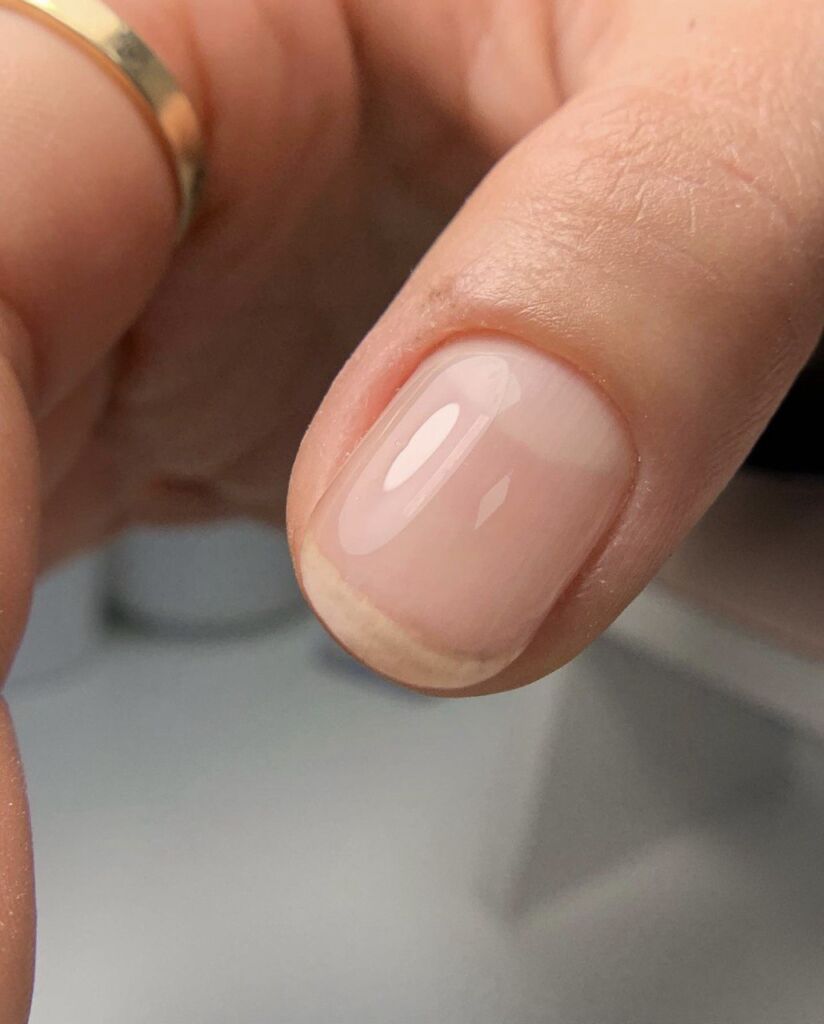
Bacterial infections like staph can enter through tiny cuts or damaged cuticles, potentially leading to painful, serious complications. Fungal nail infections are notoriously difficult to treat and can persist for months or years. More concerning still, improperly sanitized tools can theoretically transmit bloodborne pathogens, though this is rare when proper sterilization procedures are followed.
Beyond infections, allergic reactions to improperly stored or contaminated products, respiratory issues from poor ventilation, and chemical burns from incorrect product use all pose real risks in salons that don’t maintain strict hygiene standards.
Your Right to Safe Services
Every client deserves to receive nail services in an environment that meets or exceeds health department nail salon requirements. Professional nail salon cleanliness isn’t a luxury or premium service feature, it’s a fundamental right and legal requirement. Reputable salons understand that their reputation and client trust depend entirely on consistent, rigorous adherence to sanitation protocols.When you choose a salon that prioritizes cleanliness and safety standards, you’re not just protecting yourself from immediate health risks. You’re also supporting businesses that respect their clients, value their employees, and contribute to elevating industry standards overall.
Required Sterilization and Disinfection Protocols
Understanding the Difference: Sterilization vs Disinfection
Professional nail salons must understand and implement both sterilization and disinfection, as these processes serve different but equally important purposes. Sterilization completely eliminates all microorganisms, including bacterial spores, and is the highest level of decontamination. Disinfection eliminates most pathogenic microorganisms but not necessarily all bacterial spores.
In nail salons, metal implements like nippers, scissors, and pushers require sterilization between every client. Non-porous surfaces and equipment require thorough disinfection with EPA-registered disinfectants. Understanding this distinction helps clients evaluate whether salons are following proper sanitation protocols.
Autoclave Sterilization Standards
The gold standard for nail tool sterilization is the autoclave, a device that uses high-pressure steam at specific temperatures to kill all microorganisms. Professional nail salons should use autoclaves that reach at least 250°F (121°C) for a minimum of 20 to 30 minutes. Each sterilization cycle should be properly logged and monitored.
After sterilization, tools must be stored in sealed, sterile pouches or containers until use. These pouches should remain sealed until opened in front of the client, providing visible confirmation that sterilized implements are being used. Any tool that touches one client’s skin should never touch another client without complete sterilization.
Quality salons maintain multiple sets of implements so there’s always a sterile set ready while others undergo the sterilization process. This ensures no shortcuts are taken due to time pressure or high client volume.
Chemical Disinfection Requirements
For items that cannot be autoclaved, EPA-registered hospital-grade disinfectants must be used according to manufacturer instructions. This includes specific contact times, proper dilution ratios, and appropriate application methods. Common disinfectant solutions for nail salons include quaternary ammonium compounds, phenolics, and bleach solutions at proper concentrations.
Disinfection protocols require complete immersion of non-porous tools in disinfectant solution for the specified contact time, typically 10 minutes minimum. Simply spraying tools or wiping them down does not constitute proper disinfection and violates health and safety regulations.
All disinfectant solutions must be prepared fresh daily or according to product specifications, as their effectiveness diminishes over time. Solution containers should be covered when not in use and labeled with preparation dates.
Single-Use Items and Proper Disposal
What Must Be Disposable
Nail salon sanitation standards mandate that certain items must never be reused between clients. Single-use disposable items include nail files and buffers (unless they’re metal and can be sterilized), toe separators, wooden cuticle sticks, cotton balls and pads, paper towels, and pumice stones.
Any porous item that cannot be adequately cleaned and disinfected must be disposed of after a single use. Attempting to reuse these items violates health code requirements and puts clients at serious risk of cross-contamination.
Professional nail salons incorporate the cost of disposable supplies into their service pricing rather than cutting corners by reusing items that should be discarded. This investment in single-use products demonstrates commitment to client safety.
Proper Waste Management
Sanitary nail salon practices extend to waste disposal. Contaminated materials must be disposed of in appropriate waste receptacles, with biohazard waste handled according to local regulations. Sharp implements should be placed in puncture-resistant sharps containers, never in regular trash where they could injure staff or cleaning personnel.
Chemical waste, including used polish, remover, and other products, requires proper disposal according to environmental and safety regulations. Simply pouring chemicals down drains often violates local ordinances and can result in significant fines.
Regular waste removal prevents accumulation of contaminated materials and helps maintain the overall cleanliness of the salon environment. Overflowing trash bins are a clear sign of inadequate attention to sanitation protocols.
Workstation and Equipment Hygiene
Between-Client Station Cleaning
Every workstation must undergo thorough disinfection between clients. This includes wiping down all surfaces with EPA-registered disinfectants, including manicure tables, armrests, lamp handles, and any surfaces the client or technician touched. Professional cleaning protocols require allowing proper contact time for disinfectants to work effectively.
UV lamps, e-file handpieces, and other electrical equipment require regular disinfection of all surfaces that come in contact with clients or technicians. Controls, buttons, and handles are high-touch areas that demand particular attention during station sanitization.
Cushions, armrests, and upholstered surfaces present special challenges as they can harbor bacteria in fabric. These should be covered with cleanable materials or replaced regularly. Any tears or damage to upholstery should be repaired immediately as damaged surfaces cannot be properly disinfected.
Pedicure Basin Sanitation
Pedicure spa cleanliness requires especially rigorous protocols due to the complexity of whirlpool systems and the warm water environment that encourages bacterial growth. After each client, basins must be drained completely, scrubbed with soap and water, disinfected with EPA-registered disinfectants, and allowed proper contact time.
Whirlpool jet systems require additional deep cleaning protocols, including running disinfectant solution through the system for the specified time. Many health departments require daily disinfection logs for pedicure equipment, documenting each cleaning with date, time, and technician signature.
The most hygienic salons use disposable basin liners or pipeless pedicure systems that eliminate internal plumbing where bacteria can accumulate. These systems significantly reduce cross-contamination risk and demonstrate commitment to the highest sanitation standards.
Air Quality and Ventilation
Proper nail salon ventilation protects both clients and technicians from chemical fumes and dust particles. Adequate ventilation systems should provide multiple air exchanges per hour, directing fumes away from breathing zones. Dust collection systems at each workstation capture filing debris before it becomes airborne.
Poor air quality isn’t just uncomfortable, it poses serious long-term health risks. Salons must comply with OSHA ventilation requirements and local air quality regulations. Strong chemical odors indicate inadequate ventilation and potential safety violations.
Quality air filtration systems remove particulates and chemical vapors, creating a healthier environment. Regular HVAC maintenance ensures systems function properly and don’t circulate contaminated air throughout the salon.
Staff Hygiene and Training Requirements
Technician Licensing and Education
Licensed nail technicians must complete state-mandated education that includes comprehensive training in sanitation, disinfection, and safety protocols. Licensing ensures technicians understand health code requirements and possess the knowledge to maintain proper hygiene standards.
Continuing education requirements keep professionals updated on evolving best practices in salon sanitation and new regulations. Reputable salons invest in ongoing staff training beyond minimum requirements, demonstrating commitment to excellence.
Clients should feel comfortable asking to see technician licenses, which must be displayed prominently or available upon request. Current, valid licenses indicate the technician has met state education and testing requirements.
Personal Hygiene Standards
Professional nail technicians must maintain impeccable personal hygiene, including clean hands, tied-back hair, and clean, appropriate clothing. Hand washing between clients is mandatory, using proper technique with soap and water for at least 20 seconds.
Many salons require technicians to wear clean smocks or uniforms that are laundered regularly. Jewelry should be minimal to prevent harboring bacteria and interfering with proper handwashing. Long nails on technicians can harbor pathogens and should be kept appropriately trimmed.
Technicians should never work while ill, especially with contagious conditions. Professional salon policies should include sick leave provisions that protect both staff and clients from disease transmission.
Proper Glove Usage
While not always required for all services, disposable gloves should be used when handling contaminated items, cleaning and disinfecting, or when the technician has any cuts or open wounds on their hands. Gloves must be changed between clients and whenever they become contaminated.
Importantly, wearing gloves doesn’t eliminate the need for hand washing. Hands must be washed before putting on gloves and after removing them, as gloves can develop microscopic tears that allow contamination.
Some services, particularly those involving callus removal or treating damaged nails, warrant glove use to protect both technician and client. Professional salons empower staff to use gloves whenever they feel it’s appropriate for safety.
Product Storage and Handling
Proper Product Organization
Nail salon products must be stored properly to maintain effectiveness and prevent contamination. Products should be kept in their original labeled containers, stored at appropriate temperatures, and used within expiration dates. Decanting products into unlabeled containers violates safety regulations and creates confusion about product contents and safety information.
Polish bottles, lotions, and other shared products require attention to prevent contamination. Spatulas or dispensers should be used to remove creams and lotions from containers rather than dipping fingers directly. Polish bottles should be wiped clean regularly and never shared directly between clients without sanitizing the brush.
Material Safety Data Sheets (MSDS) must be available for all chemical products used in the salon. These documents provide crucial safety information and emergency procedures in case of accidents or exposure.
Preventing Cross-Contamination
Cross-contamination prevention requires vigilant attention to detail. Products should never be applied directly from a shared container to a client’s skin or nails without using clean, disposable applicators. Brushes and applicators that touch one client must either be disposed of or thoroughly cleaned and disinfected before touching another client.
Water bowls for brush cleaning should be changed between clients, and brushes should be properly cleaned and disinfected. Nail polish brushes present a particular challenge, as the polish itself has some antimicrobial properties, but visible contamination should prompt bottle disposal.
Professional product handling includes never double-dipping spatulas or applicators, using pump dispensers when possible, and ensuring all product contact surfaces are clean and sanitized.
What Clients Should Look For
Signs of a Clean, Professional Salon
When evaluating nail salon cleanliness, observe the overall environment upon entering. The salon should smell fresh without overwhelming chemical odors. Surfaces should be visibly clean without dust, debris, or clutter. Professional salons maintain organized, tidy workspaces that reflect their commitment to hygiene.
Watch how technicians prepare for your service. They should wash their hands thoroughly, use fresh towels or disposable coverings, and open sealed sterilized tool packets in front of you. Implements should come from an autoclave or UV sterilizer, not simply from a drawer or jar of liquid.
High-quality nail salons are transparent about their sanitation practices and welcome questions about their protocols. Staff should be able to explain their sterilization and disinfection procedures confidently and thoroughly.
Red Flags to Watch For
Several warning signs indicate inadequate sanitation practices. Tools stored loose in drawers or containers without sterilization pouches suggest improper sterilization protocols. Visible debris, dust, or staining on workstations indicates insufficient cleaning between clients.
Reusing files, buffers, or other porous items between clients violates health codes and puts you at risk. If you see a technician use the same file on multiple clients or reach into a communal jar of implements, speak up or leave.
Strong chemical odors, poor ventilation, overflowing trash, unlicensed technicians, or staff who don’t wash hands between clients all signal serious problems. Trust your instincts, if something feels unsanitary, it probably is.
Questions to Ask
Don’t hesitate to ask about salon sanitation protocols before committing to services. Professional salons appreciate informed clients who care about hygiene and will gladly discuss their practices. Ask how tools are sterilized, how often pedicure basins are cleaned, whether they use disposable files, and how frequently they replace solutions and disinfectants.
Request to see the autoclave or sterilization equipment and ask about their cleaning logs. Inquire about staff training and licensing. A salon with nothing to hide will answer these questions openly and may even give you a tour of their sanitation area.
Your health and safety should never take a backseat to convenience or cost savings. Choosing a clean, professional nail salon protects you from infections and complications while supporting businesses that operate with integrity.
The Midlton Nails Studio Standard
At establishments that truly prioritize client wellbeing, cleanliness and professionalism aren’t just requirements, they’re core values. Professional nail salons that exceed minimum standards invest in the best sterilization equipment, use only premium products, maintain meticulous cleaning protocols, and train staff in the latest sanitation best practices.
These salons understand that every client deserves to feel completely confident in the safety and hygiene of their services. From the moment you walk in, every detail reflects an unwavering commitment to health, safety, and exceptional care.
When a salon treats sanitation as seriously as artistry, clients enjoy peace of mind knowing they’re receiving services in an environment where their health is the top priority. This level of professionalism and attention to detail separates truly exceptional salons from those that simply meet minimum requirements.
Taking Action: Your Role in Salon Safety
Speaking Up About Concerns
If you observe unsanitary practices during your visit, you have the right and responsibility to speak up. Politely but firmly address concerns with your technician or salon management. Professional salons will take your feedback seriously and address issues immediately.
If the response is dismissive or defensive, consider ending the service and leaving. Your health is too important to compromise for the sake of politeness. Report serious violations to your local health department, as they rely on client feedback to identify problem establishments.
Reporting Violations
Most jurisdictions have health departments or cosmetology boards that regulate nail salons and investigate complaints. If you witness serious sanitation violations or experience infections following salon services, file a formal complaint with detailed information about the violations observed.
Your report protects not only yourself but future clients who might otherwise be exposed to unsafe conditions. Health departments can conduct inspections, issue citations, require corrective actions, or even close salons that pose serious health risks.
Supporting Quality Establishments
The best way to promote high sanitation standards across the industry is to support salons that prioritize cleanliness and refuse to patronize those that don’t. Share positive reviews highlighting excellent hygiene practices, recommend clean salons to friends, and be willing to pay appropriate prices for services that include proper sanitation protocols.
Quality nail care requires investment in equipment, supplies, training, and time. Salons that charge extremely low prices often cut corners on sanitation to reduce costs. By supporting properly priced, professional establishments, you help raise industry standards.
Conclusion
Understanding the cleanliness standards every nail salon must follow empowers you to make informed decisions about where you receive services. Proper sanitation protocols, from tool sterilization to workstation disinfection to staff training, protect your health and ensure beautiful results without compromising safety.
The difference between salons that simply meet minimum requirements and those that exceed standards is profound. Professional nail salons that prioritize hygiene demonstrate respect for their clients, pride in their work, and commitment to excellence that extends far beyond artistic skill.
Your nails deserve expert care, and your health deserves uncompromising protection. Don’t settle for salons that cut corners on cleanliness or make you question their sanitation practices.Experience the difference that true professionalism makes. Book your appointment at Midlton Nails Studio, where exceptional cleanliness standards, rigorous sanitation protocols, and unwavering commitment to client safety meet artistic excellence. Our licensed technicians follow the highest hygiene standards in the industry, using hospital-grade sterilization, disposable supplies, and meticulous attention to every detail of your safety and comfort. Discover nail care you can trust, where your health is always our highest priority.

1 Comment