You clip them, push them back, or maybe just ignore them – but your cuticles are quietly doing one of the most important jobs in your entire body. That tiny strip of skin sitting at the base of your nail? It’s the only barrier standing between your bloodstream and the outside world. Damage it, and you open the door to infections, inflammation, and long-term nail damage that no amount of polish can hide. At Midlton Nails Studio, New York’s premium nail and beauty salon in Rego Park, Queens, we don’t just paint nails – we protect them. Our entire philosophy is built on advanced knowledge of nail anatomy and evidence-based technique, because we believe beauty begins with care and precision. In this guide, we’re pulling back the curtain on the real science of cuticle care – and why getting it right is the difference between nails that look good for a week and nails that are genuinely, lastingly healthy.
What Are Cuticles, and What Do They Actually Do?
Before you can care for your cuticles properly, you need to understand what they are and what they aren’t.
The Anatomy of the Cuticle Zone
The word “cuticle” is actually one of the most misused terms in the beauty industry. What most people point to as the cuticle is, in fact, a combination of two separate structures: the true cuticle (also called the eponychium) and dead tissue (the actual cuticle layer) that migrates off the eponychium onto the nail plate. The true cuticle is living skin that seals the gap between your nail plate and the surrounding skin, forming an airtight, bacteria-proof barrier. The dead tissue on top of the nail plate is what a skilled technician can safely remove. Understanding this distinction is not just academic – it’s the foundation of every safe, professional nail treatment.
The Cuticle as Your Body’s Gatekeeper
The cuticle’s primary role is biological protection. It prevents bacteria, fungi, viruses, and environmental irritants from reaching the nail matrix – the living tissue under the skin where your nail is actually formed. Compromise the nail matrix even once through improper cutting or aggressive soaking, and you can cause permanent ridging, discoloration, or stunted nail growth. Your cuticle isn’t a cosmetic nuisance. It’s a gatekeeper, and it deserves to be treated like one.
Why Healthy Cuticles Mean Healthy Nails
The condition of your cuticles directly reflects – and affects – the health of your nails. When cuticles are dry, cracked, or improperly treated, the nail plate is left exposed to dehydration and microbial invasion. The result is brittle nails, peeling edges, and an increased risk of painful infections like paronychia. Healthy, well-maintained cuticles, on the other hand, lock in moisture, support even nail growth, and create the clean, smooth base that makes any manicure look its absolute best.
The Most Common Cuticle Care Mistakes (And Why They’re So Harmful)
Most nail damage doesn’t happen by accident – it happens from well-intentioned but incorrect care. Here are the most widespread mistakes, and the science behind why they cause harm.
Over-Cutting Live Cuticle Tissue
This is the single most damaging habit in DIY nail care. Cutting the living eponychium – the true cuticle – removes a biological seal that took your body time and resources to build. Once cut, it regrows unevenly, often creating the thick, ragged overgrowth people mistake for a sign they need to cut more. It’s a cycle of damage. More importantly, a broken cuticle line is an open invitation for bacterial and fungal infection. The American Academy of Dermatology specifically advises against cutting cuticles for this reason.
Aggressive Water Soaking
Traditional manicures that soak the fingers in warm water may feel luxurious, but the science tells a different story. When nails and cuticles absorb water, they swell – and when they dry, they shrink. This repeated cycle causes microscopic stress fractures in the nail plate and breaks down the cuticle’s structural integrity over time. It’s one of the reasons many clients notice their gel manicures lifting or peeling prematurely after water-soak services.
Skipping Moisture and Using Harsh Removers
Cuticle skin is thin and has a limited natural oil supply. Without consistent hydration, it dries out, cracks, and peels – leading to painful hangnails and increased vulnerability to infection. At the same time, acetone-based removers used repeatedly without barrier protection strip the surrounding cuticle skin of its natural lipids, accelerating dehydration and aging of the tissue.
Professional Cuticle Care: The Midlton Nails Difference
At Midlton Nails Studio, we take a fundamentally different approach to cuticle care – one rooted in European technique, advanced education, and an uncompromising commitment to your nail health.
The Russian Manicure Technique
Our signature Russian Manicure is a dry manicure technique – meaning we never soak the cuticles in water before working on them. Instead, we use a precision electric file (e-file) to gently and accurately remove only the dead cuticle tissue from the nail plate, while leaving the living eponychium completely intact. The result is an exceptionally clean nail plate, a defined and smooth cuticle line, and a gel application surface that allows for significantly longer wear – typically 3 to 4 weeks – with dramatically less lifting. It is a technique that demands skill, training, and deep anatomical knowledge. Every technician at Midlton is certified and extensively trained in this method.
Why We Only Use High-Quality Gel Products
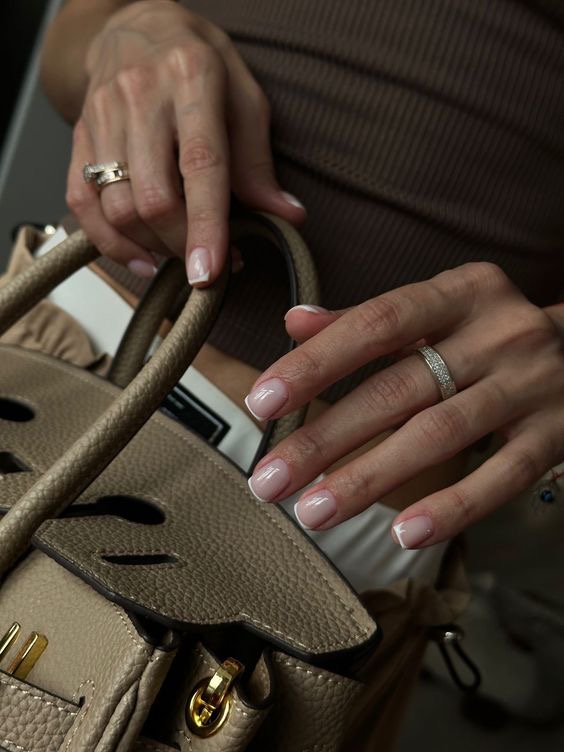
Cuticle health doesn’t stop at technique – the products we apply to the nail plate matter just as much. At Midlton, we use only premium gel products, never regular polish. Professional-grade gels are formulated to flex with the natural nail, reducing the mechanical stress that causes the nail plate and cuticle border to crack or lift. They also contain fewer harsh solvents than standard polishes, which means less irritation to the surrounding cuticle skin during wear and removal.
Health-First Philosophy: No Compromises
One of the things our clients notice immediately about Midlton is our absolute commitment to hygiene and nail health. We do not perform services on nails showing signs of fungal infection or skin disease – protecting both our clients and the integrity of our work. Every tool is sterilized between clients. Every treatment is performed with the goal of leaving your nails healthier than when you walked in. That is not a marketing line – it is the standard we hold ourselves to after over 110,000 services performed.
Your Complete Cuticle Care Guide: What to Do Between Appointments
Professional care sets the foundation. But what you do at home between appointments determines how well your results last.
Daily Habits That Make a Real Difference
The most impactful daily habit for cuticle health is moisturizing consistently. Apply a cuticle oil – ideally one containing jojoba, vitamin E, or almond oil – every morning and every night. These oils mimic the skin’s natural lipids and penetrate the thin cuticle tissue more effectively than thick creams. Push back softened cuticles gently with a rubber or wooden cuticle pusher after a warm shower when skin is naturally soft – never force them. And wear gloves when washing dishes or cleaning with chemical products. Prolonged water exposure and detergent contact are two of the fastest ways to undo professional cuticle work.
What to Avoid at Home
Stop cutting your own cuticles at home – full stop. Even professional-grade nippers in untrained hands can clip living tissue and trigger the damage cycle described above. Avoid peeling gel manicures off rather than having them professionally removed; this pulls layers of the nail plate away and exposes the sensitive nail bed and cuticle border to trauma. And resist the urge to use harsh acetone removers without following up with intensive cuticle moisture restoration.
When to Book Your Next Appointment
For most clients, a maintenance appointment every 3 to 4 weeks is ideal for keeping cuticle health optimized. At Midlton, we recommend scheduling your next appointment before you leave the studio – it ensures your nails are never left in a growth phase where cuticle overgrowth begins to stress the gel seal or lead to lifting. Consistency is the single best investment you can make in the long-term health and appearance of your nails.
Conclusion: Your Nails Deserve More Than a Quick Fix
Your cuticles are not just a finishing detail – they are the foundation of every beautiful, healthy nail. When they are cared for correctly, everything else follows: stronger nails, longer-lasting manicures, cleaner aesthetics, and genuine nail health from root to tip. When they are damaged, neglected, or improperly treated, no amount of color or art can compensate.
At Midlton Nails Studio in Rego Park, New York, we have built our entire approach around this truth. From our signature Russian Manicure technique to our premium gel products and health-first standards, every service we provide is designed to give you nails that don’t just look extraordinary – but truly are. You deserve a nail experience that respects your biology as much as your style.
Ready to experience the Midlton difference? Book your appointment today at midltonnailsstudio.com and discover why thousands of New Yorkers trust us with the health and beauty of their nails. Your transformation starts with one appointment – and we promise, you will never look at your cuticles the same way again.
Frequently Asked Questions
Q1: Is it safe to cut cuticles during a manicure?
A: It depends on what is being cut. Removing dead cuticle tissue from the nail plate surface is safe when done by a trained professional using proper tools and technique, as we do at Midlton Nails Studio. Cutting the living cuticle – the true seal at the base of your nail – is not recommended, as it removes a critical biological barrier and can lead to infection, inflammation, and irregular nail growth. Our Russian Manicure technique is specifically designed to remove only dead tissue while fully protecting the living cuticle.
Q2: Why does my cuticle grow back thicker after I cut it myself?
A: When you cut living cuticle tissue, your body responds by producing more cells to repair the barrier – often faster and less evenly than the original. This creates the appearance of thicker, more aggressive overgrowth, which leads many people to cut more frequently, worsening the cycle. Professional e-file techniques used at Midlton work with the nail’s natural biology rather than against it, leading to calmer, thinner, healthier cuticle regrowth over time.
Q3: How often should I get a professional cuticle treatment?
A: For most people, every 3 to 4 weeks is the optimal frequency for maintaining cuticle health and nail appearance. At Midlton Nails Studio, our technicians can assess your specific nail growth rate and cuticle condition and recommend a personalized schedule that keeps your nails looking and performing their best year-round.
Q4: What is the difference between a Russian Manicure and a regular manicure for cuticles?
A: A traditional manicure typically soaks the cuticles in water to soften them before pushing or trimming. A Russian Manicure, as performed at Midlton, is a dry technique using a precision electric file to carefully remove only the dead cuticle tissue from the nail plate – no soaking involved. This preserves the nail’s natural integrity, delivers a cleaner and more defined cuticle line, and allows for a gel application that lasts significantly longer. It requires advanced certification and training to perform safely.
Q5: Can I book a cuticle-focused treatment if my nails are in bad condition?
A: Yes – in fact, that is exactly when a professional assessment is most valuable. Whether your nails are dry, damaged from at-home gel removal, or showing significant cuticle overgrowth, the team at Midlton Nails Studio is trained to work with nails at every stage. We will assess the current condition of your nails and cuticles, recommend the most appropriate treatment, and create a care plan to restore your nail health over time. Book a consultation at midltonnailsstudio.com – your nail health journey starts here.