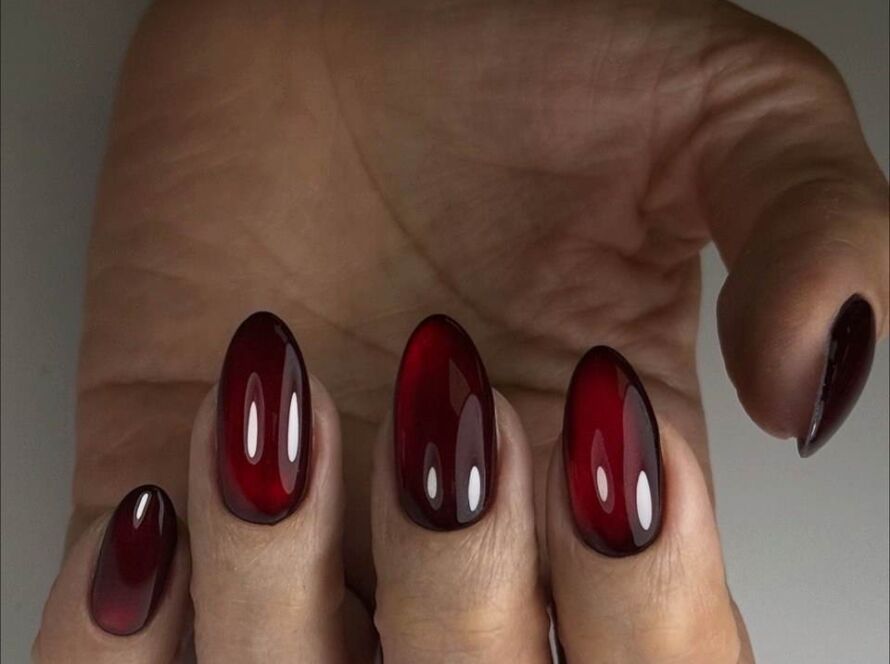
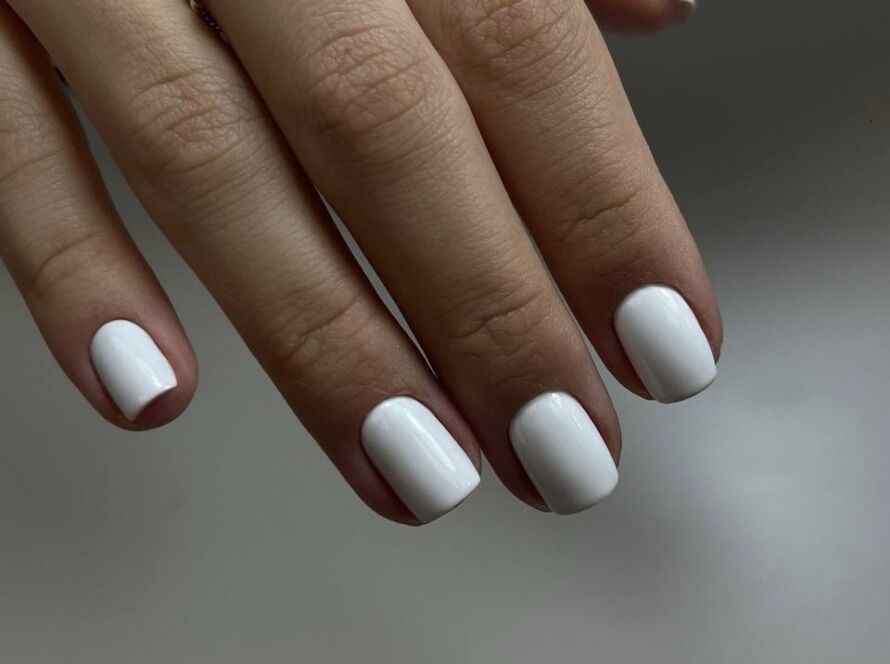
You’ve probably seen the term “clean beauty” plastered across skincare shelves and social media captions. But when it comes to nail salons, things get murkier – and the stakes are higher. You’re not just applying a product to the surface of your skin. You’re spending an hour or more in a space with concentrated chemical exposure, while a technician works directly on your nails, cuticles, and hands.
So what does “clean” actually mean in a nail salon context? And how do you know if the salon you’re sitting in meets the bar? This guide cuts through the marketing fluff and gives you the practical knowledge to make informed choices. Ready to experience a salon that takes this seriously? Explore our services at Midlton Nails Studio and book your appointment today.
What “Clean Beauty” Really Means – and What It Doesn’t
It’s Not a Regulated Term
Here’s the uncomfortable truth: “clean beauty” has no legal definition. As the FDA confirms on its cosmetics page, no government body certifies a product or a salon as “clean.” When a brand calls its polish “clean,” it’s a marketing claim — not a regulated standard. That doesn’t mean it’s meaningless, but it does mean you need to know what questions to ask.
The Ingredient Standards That Actually Matter
In the nail industry, “clean” most commonly refers to formulas that exclude a specific list of chemicals with documented health concerns. The benchmark has evolved over time. The original 3-Free standard excluded formaldehyde, toluene, and DBP (dibutyl phthalate). The 5-Free standard added formaldehyde resin and camphor. 7-Free goes further, removing xylene and ethyl tosylamide. Formulas labeled 10-Free and beyond expand to exclude additional potential irritants and hormone disruptors. A truly clean-leaning salon will stock polishes and gels that meet at least a 5-Free standard.
What These Chemicals Actually Do
Understanding why these ingredients are on the exclusion list helps you assess risk more clearly. Formaldehyde is a known carcinogen and common allergen. Toluene is linked to nervous system effects with prolonged exposure. DBP is a suspected endocrine disruptor. Camphor in high concentrations can cause nausea and headaches in poorly ventilated spaces. You can look up any nail product ingredient in the EWG Skin Deep Cosmetics Database, which rates ingredients for safety based on available research.
None of these are present in dangerous amounts in a single manicure. The concern is cumulative – for both clients who visit regularly and technicians who work with these products daily.
How to Evaluate a Nail Salon’s Product Choices
Ask About the Brands They Use
A clean-conscious salon will know exactly what brands it stocks and will have no hesitation telling you. If a salon can’t name the brand of the gel or polish they’re using, that’s a gap worth noting. At Midlton Nails Studio, we’re happy to walk you through every product we use – come in knowing exactly what to expect.
Look for Ventilation – It’s Non-Negotiable
Ventilation is arguably more important than any single ingredient. In a poorly ventilated space, even “clean” products can cause issues because airborne chemicals concentrate over time. Good ventilation means individual station source-capture systems at each nail table, visible air filtration, and windows that open or a genuine HVAC setup. A well-run salon simply won’t smell overwhelmingly of chemicals when you walk in.
If you walk in and your eyes immediately water or a chemical smell hits you at the door, that’s a red flag – regardless of what’s on the label.
Check Product Labels Yourself
You’re allowed to ask to see the product being used on you. A reputable salon will show you the bottle. Flip it over, look for the “X-Free” designation or scan the ingredient list. It takes thirty seconds and tells you a lot about both the product and the salon’s attitude toward transparency.
Non-Toxic Nail Products: What the Best Options Look Like
Gel Formulas Have Come a Long Way
For years, gel polish was seen as the less clean option. That’s changed significantly. Many professional gel systems now offer HEMA-free formulas (HEMA is a well-documented gel allergen according to dermatologists), lower-VOC formulations, and soak-off systems that don’t require heavy filing. Book a gel manicure at Midlton Nails Studio and let our technicians find the right formula for you.
Polish That Goes Beyond 5-Free
The range of high-quality, cleaner nail polishes has expanded dramatically. Brands like Zoya, which pioneered the 5-Free standard in professional nail color, have shown that clean formulas don’t require a compromise on performance. A salon that’s invested in clean products is making a deliberate choice to use what the industry recognizes as better standards.
What About Nail Treatments and Removers?
Clean product standards extend beyond color. Look for cuticle oils using plant-based carriers, removers that include hydrating formulas alongside acetone to minimize drying effects, and nail strengtheners that are formaldehyde-free. A salon that’s thought carefully about its color selection has usually thought just as carefully about everything else it uses.
Red Flags vs. Green Flags When Choosing a Salon
Red Flags to Watch For
Not every salon that claims to be “clean” actually is. Watch for:
- Vague answers about products – if staff can’t name the brands or formulas they use, they haven’t thought critically about what they’re working with.
- A strong chemical smell that doesn’t dissipate when you enter.
- Poorly stored or handled tools – sterilization practices matter for your health.
- Dismissiveness when you ask questions – a dealbreaker.
Green Flags That Signal a Quality Salon
The signs of a genuinely clean-conscious salon tend to show up quickly:
- Product names and brands are visible at stations or readily available on request.
- Staff can explain what “5-Free” or “HEMA-free” means without hesitation.
- Ventilation equipment is visible at each nail station.
- The salon doesn’t smell like a hardware store when you walk through the door.
- Technicians ask about your skin sensitivities or allergies before they start.
NAILS Magazine, the leading trade publication for nail professionals, has covered the shift toward cleaner salon practices extensively – it’s a useful resource if you want to go deeper. Midlton Nails Studio is ready to welcome you.
Conclusion
“Clean beauty” in a nail salon isn’t about finding a magic label or paying a premium for marketing. It’s about asking the right questions, reading the environment, and choosing professionals who’ve made intentional decisions about what they put on your hands and into the air you breathe.
The nail industry has moved significantly toward cleaner formulations in recent years – not because it’s trendy, but because both clients and technicians have pushed for it. Visit Midlton Nails Studio and see the difference that intentional, clean-conscious nail care makes.
FAQ
1. Is “non-toxic” nail polish actually safe?
“Non-toxic” and “clean” are marketing terms, not regulated claims. However, polishes labeled 5-Free or higher do exclude specific chemicals with documented health concerns. Good ventilation and occasional breaks from gel or acrylics remain good practice regardless. Ask us when you book at Midlton Nails Studio.
2. Are gel manicures less “clean” than regular polish?
Gel formulas traditionally had a higher chemical load, but modern professional gel systems have improved significantly. HEMA-free gels, lower-VOC formulations, and gentler soak-off systems are now widely available. The “cleanliness” of a gel manicure depends more on the specific product and salon’s practices than on the category itself.
3. How important is ventilation compared to the products used?
Both matter, but ventilation is arguably the more critical factor. Even cleaner products release some VOCs in an enclosed space. The EPA’s indoor air quality guidelines offer useful context on VOC exposure in enclosed spaces. A well-ventilated salon using conventional products may actually provide a lower exposure environment than a poorly ventilated salon using clean-labeled ones.
4. Can I ask to see the products before my appointment?
Absolutely – and you should feel comfortable doing so. Any professional salon should be able to tell you exactly which brands and formulas they use. At Midlton Nails Studio, transparency is part of how we work.
5. What questions should I ask when booking at a new nail salon?
Start with these three: What polish and gel brands do you use? Do you have ventilation at each station? Do you have HEMA-free or higher-free-count options available? The answers will tell you quickly whether the salon has thought carefully about these issues. Schedule your appointment at Midlton Nails Studio today.